Algorithmic Echoes: How Previous Match Outcomes Influence Current Queue Dynamics in Ranked Playlists
Written by Blake Lang · Jul 28, 2026
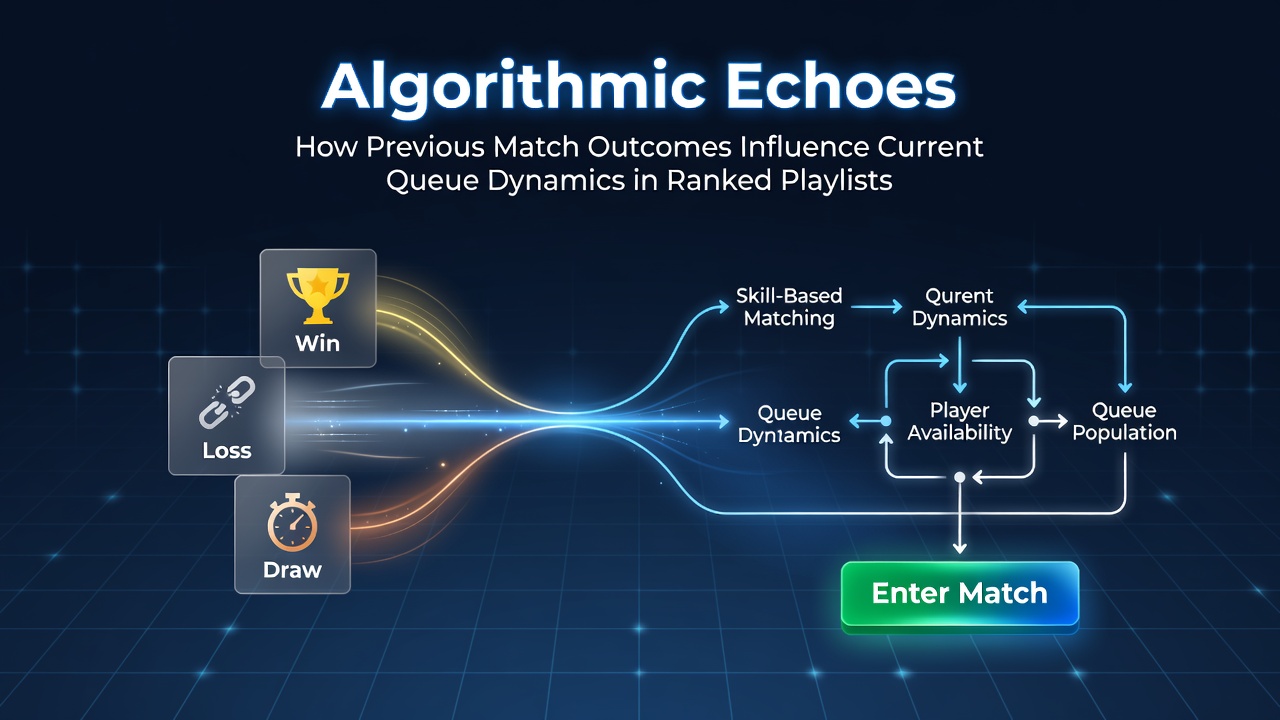
Algorithmic Echoes: How Previous Match Outcomes Influence Current Queue Dynamics in Ranked Playlists
Ranked playlists in competitive online games rely on sophisticated algorithms that adjust player positioning in queues according to sequences of prior results, and this process creates measurable shifts in matchmaking speed along with opponent distribution. Systems track performance metrics such as win streaks or loss patterns to recalibrate internal ratings, which then determine how quickly a player enters a match and which skill brackets receive priority during assignment.
Core Components of Outcome-Based Adjustments
Matchmaking engines update ratings after every completed game, adn consecutive victories often trigger accelerated point gains that push players toward higher brackets while extended defeats produce the opposite effect through demotion safeguards or decay mechanics. Data from multiple platforms shows these adjustments influence queue composition because the algorithm seeks to balance teams by pulling participants from adjusted rating pools rather than static ones, and this leads to shorter waits during periods when recent outcomes align with broader population trends in a given region.
Observers note that temporary rating modifiers sometimes apply after notable streaks, which can redirect players into separate queue segments designed to test stability before full integration into new tiers. Research indicates that these modifiers prevent rapid oscillation between brackets, yet they also alter wait times because fewer players occupy the modified segments at any moment.
Queue Flow Patterns Across Different Titles
In titles with large active populations the effect remains subtle during peak hours, while smaller regions experience pronounced changes where a single streak can reroute an entire cohort into longer queues as the system searches for suitable counters. Figures from industry reports reveal that players emerging from three consecutive wins encounter average queue reductions of up to twenty percent in certain playlists because the algorithm prioritizes rapid placement to maintain engagement metrics.
Loss sequences produce contrasting results, and many engines extend queue durations deliberately to allow rating recovery periods before reintroducing the player to high-stakes matches. This approach appears in documentation from several developers who publish transparency updates on their systems, and it connects directly to retention data tracked across servers.
Regional Variations and Platform Updates
European and North American servers demonstrate distinct behaviors during July 2026 patches that refined streak detection logic, and these changes caused temporary spikes in queue variance as recalibrations rippled through existing player bases. Academic analyses from institutions such as the University of Melbourne have examined similar algorithmic responses in persistent competitive environments, confirming that prior outcomes shape not only individual placement speed but also the distribution of party sizes permitted in the same bracket.
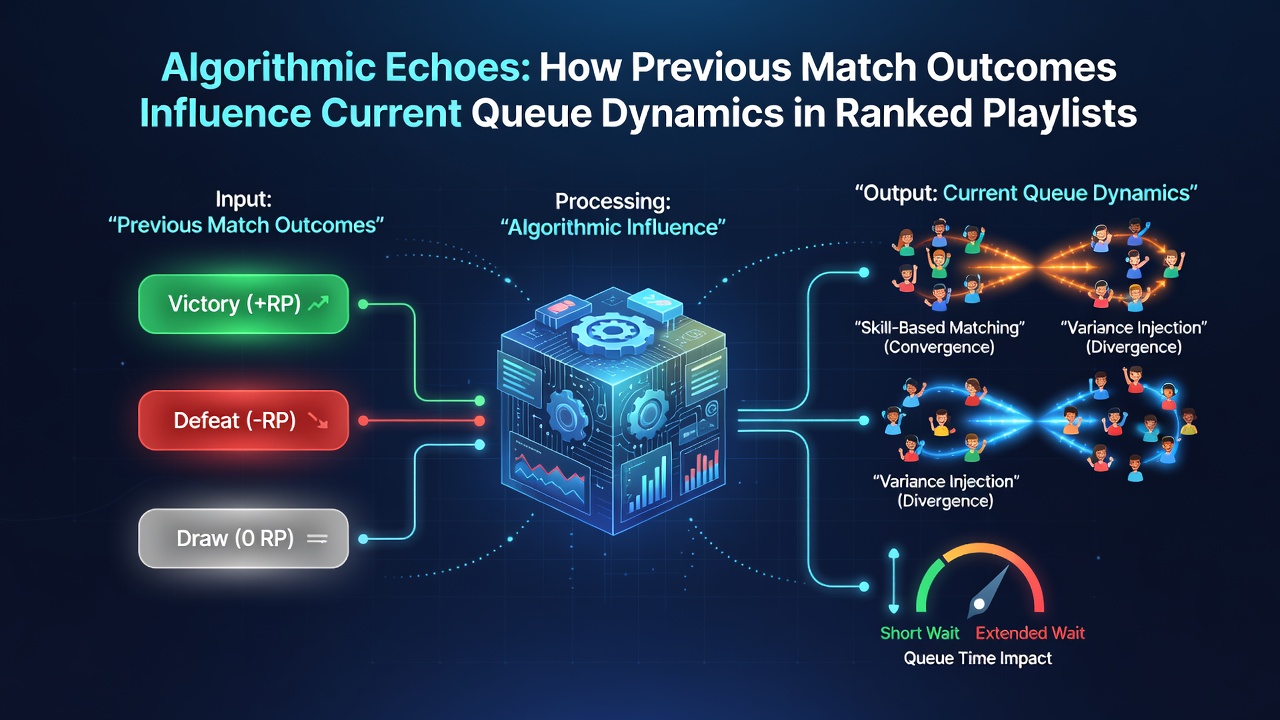
Those who monitor server telemetry observe that cross-region coordination tools sometimes inherit these echoes when teams queue together, resulting in extended search times whenever one member carries forward momentum from recent solo results. Industry organizations including the Entertainment Software Association have referenced aggregate data on these patterns in broader discussions of competitive infrastructure, noting the balance between fairness and accessibility remains a central engineering focus.
Measurement Techniques and Observable Metrics
Analysts employ public API endpoints alongside internal telemetry to quantify how outcome histories translate into queue position shifts, and studies consistently show correlations between streak length and average matchmaking duration across thousands of recorded sessions. One case involved developers adjusting decay rates after community feedback indicated that prolonged loss streaks created excessive separation between similarly skilled groups, which then prompted revised parameters that smoothed transitions without eliminating the underlying influence.
Additional layers include hidden modifiers that account for recent performance volatility rather than raw win counts alone, and these factors help explain why two players with identical overall ratings sometimes experience divergent queue behaviors depending on their immediate history. Evidence from multiple titles confirms that such volatility weighting reduces instances of mismatched lobbies while preserving the core principle that past results echo forward into present dynamics.
Conclusion
Ranked queue systems continue to evolve through iterative refinements that integrate previous match data into real-time placement decisions, and the resulting dynamics affect every participant through altered wait times and bracket access. Continued observation of these patterns across platforms provides clearer insight into how algorithmic memory shapes competitive access without requiring subjective interpretation of intent or fairness.