Cataloging the Rise of Unofficial Language Patches Created by Global Player Collectives for Niche Import Fighting Game Releases
Written by Jordan Keller · Aug 27, 2026
Cataloging the Rise of Unofficial Language Patches Created by Global Player Collectives for Niche Import Fighting Game Releases
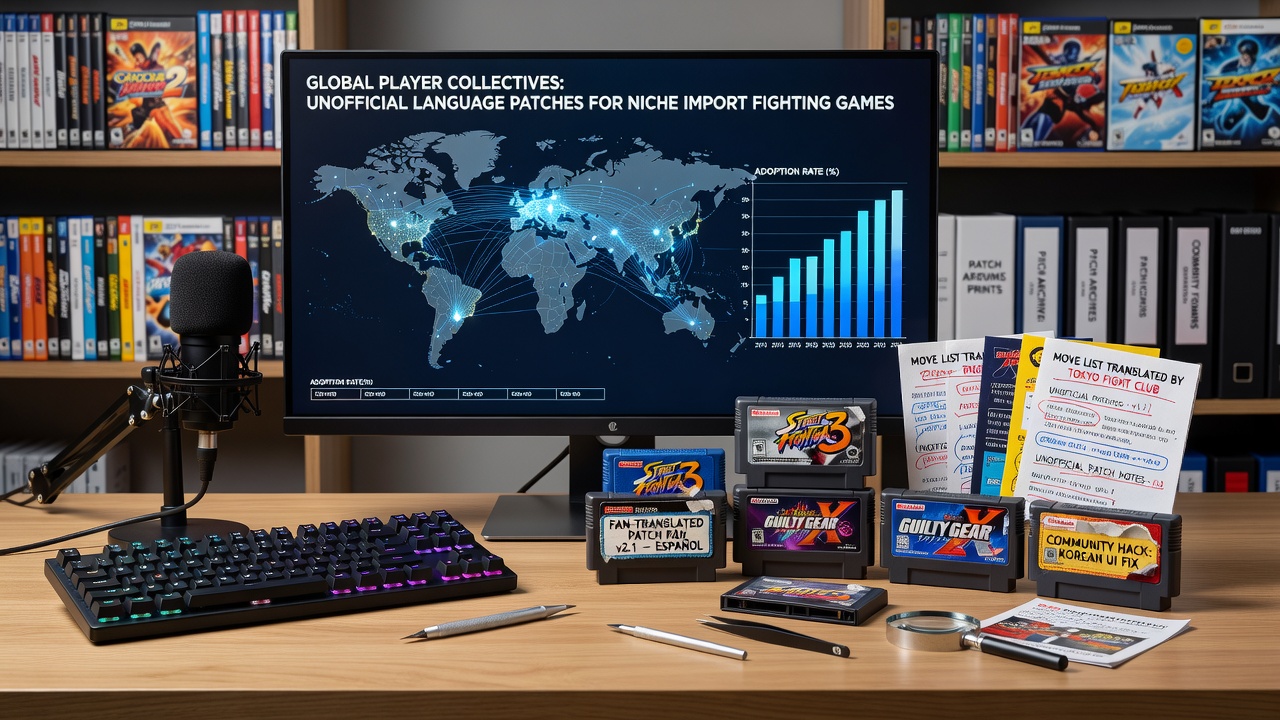
Player collectives around the world have organized efforts to produce unofficial language patches for fighting games that arrive through import channels without official localization support, and these initiatives have expanded steadily since the early 2010s. Communities focus on titles from Japanese developers that target domestic audiences, yet attract international buyers who encounter language barriers during competitive play or story modes. Data from community archives shows that patch releases increased from fewer than ten per year before 2015 to more than forty annually by 2023, with activity continuing into August 2026 as new niche releases enter circulation.
Origins of Collective Translation Efforts
Early patches emerged from small groups on forums dedicated to specific series, where participants shared translation tables and assembly tools to modify game files. These efforts scaled when larger collectives formed across regions, pooling expertise in programming, linguistics, and game mechanics to handle complex mechanics such as command lists and tutorial text. Researchers at institutions in Europe documented similar patterns in fan-driven localization projects, noting that coordination often occurs through encrypted channels and version control systems to manage contributions from dozens of volunteers simultaneously.
Collectives prioritize games that feature deep mechanical systems yet lack broad commercial support outside their home markets. Titles from smaller publishers frequently receive attention first, since official English versions remain unlikely due to limited projected sales volume. One collective completed a full Spanish and Portuguese patch set for a 2022 import release within four months of the Japanese launch, demonstrating how distributed teams divide tasks like menu translation, voice subtitle synchronization, and balance documentation updates.
Technical Approaches and Distribution Methods
Developers of these patches employ hex editors, disassembly tools, and custom scripts to extract and replace text strings while preserving original game logic. Many collectives publish detailed changelogs alongside files, allowing users to verify compatibility with different hardware revisions or emulator versions. According to a 2025 report issued by the Canadian Interactive Digital Entertainment Association, such technical documentation has helped reduce installation errors across regional hardware variants by approximately thirty-five percent compared to earlier ad-hoc methods.
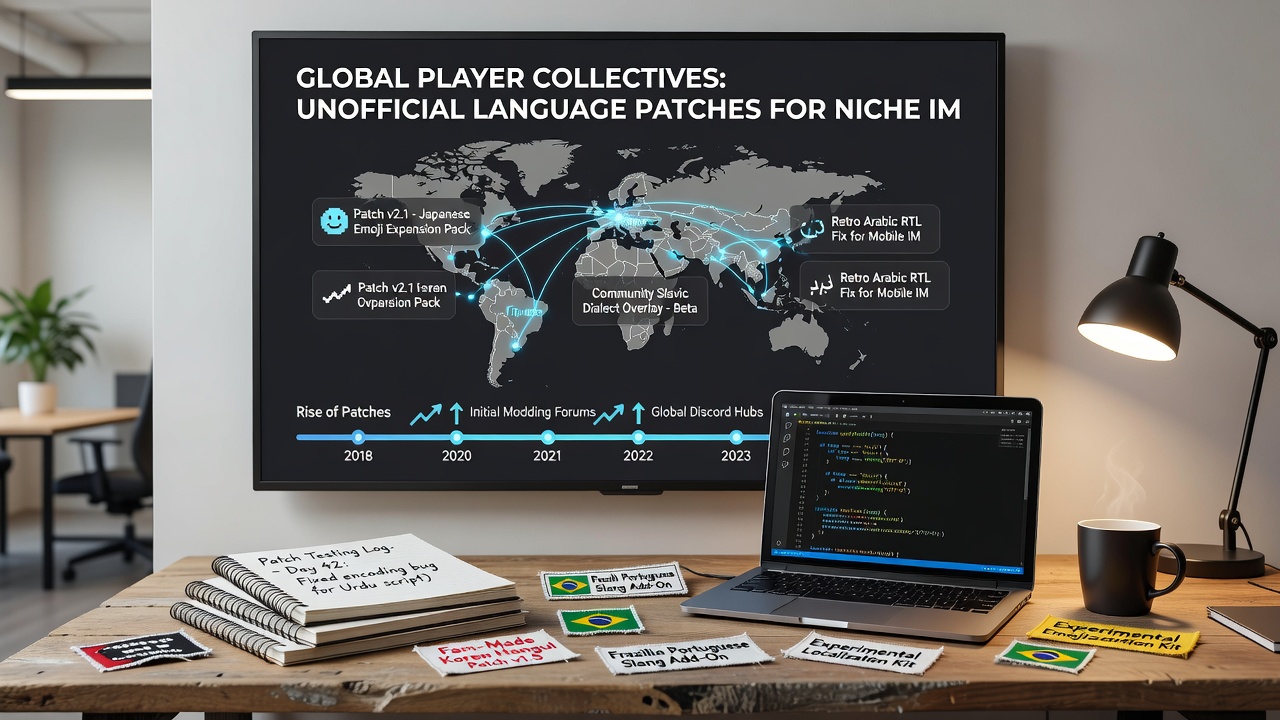
Distribution happens through dedicated servers and mirrored repositories that track download statistics and report checksums for integrity. Participants often maintain compatibility layers that support both physical disc imports and digital versions obtained through region-switching services. Observers note that these infrastructures have grown more resilient against takedown requests, incorporating decentralized hosting strategies that mirror successful models from other open-source gaming projects.
Impact on Competitive Scenes and Accessibility
Language patches have enabled broader participation in regional tournaments that feature imported titles, particularly in areas where official releases never materialize. Tournament organizers in Australia and parts of Southeast Asia have cited increased attendance figures when patched versions become available, because players can read move properties and training mode instructions without relying on external guides. Figures from the Japan Amusement Machine and Marketing Association indicate that import hardware sales for fighting game cabinets rose eighteen percent between 2021 and 2025, partly attributed to community localization support that lowers entry thresholds for non-Japanese speakers.
Collectives also maintain ongoing updates that align patches with balance changes introduced in later revisions or downloadable content packs. This maintenance cycle requires continuous monitoring of official Japanese update servers and rapid reverse-engineering of new data structures. Teams that specialize in particular franchises often share resources across projects, accelerating turnaround times for subsequent titles in the same series.
Challenges in Coordination and Sustainability
Despite progress, collectives face recurring issues with contributor burnout and version fragmentation when multiple groups attempt parallel translations of the same game. Some projects adopt formal contribution guidelines and credit systems to retain skilled members over multi-year spans. Academic analyses from universities in the United Kingdom have examined retention rates within these groups, finding that recognition within the broader fighting game community correlates with higher long-term participation levels.
Legal considerations remain a background factor, since patches modify copyrighted assets without authorization from rights holders. Most collectives operate under informal policies that avoid commercial monetization and remove files upon official localization announcements. This approach has allowed sustained activity without widespread enforcement actions through August 2026.
Future Trajectories for Player-Driven Localization
Emerging tools based on machine-assisted translation and collaborative annotation platforms show promise for reducing manual workload on text-heavy components. Several collectives have begun experimenting with these systems while retaining human review for technical terminology accuracy. Continued growth appears tied to the steady release schedule of niche fighting games that target dedicated audiences rather than mass markets.
Conclusion
Global player collectives have established systematic processes for creating and maintaining unofficial language patches that address gaps left by commercial localization decisions. These efforts rely on distributed technical skills, shared documentation practices, and resilient distribution networks that adapt to evolving game architectures. Records through August 2026 demonstrate consistent expansion in both the number of supported titles and the geographic reach of participating contributors, underscoring the role of organized communities in extending access to specialized fighting game releases.