Frame Data Foundations: Breaking Down Animation Timings for Frame-Perfect Combos in Fighting Game Circuits
Written by Dana Jenkins · May 19, 2026
Frame Data Foundations: Breaking Down Animation Timings for Frame-Perfect Combos in Fighting Game Circuits
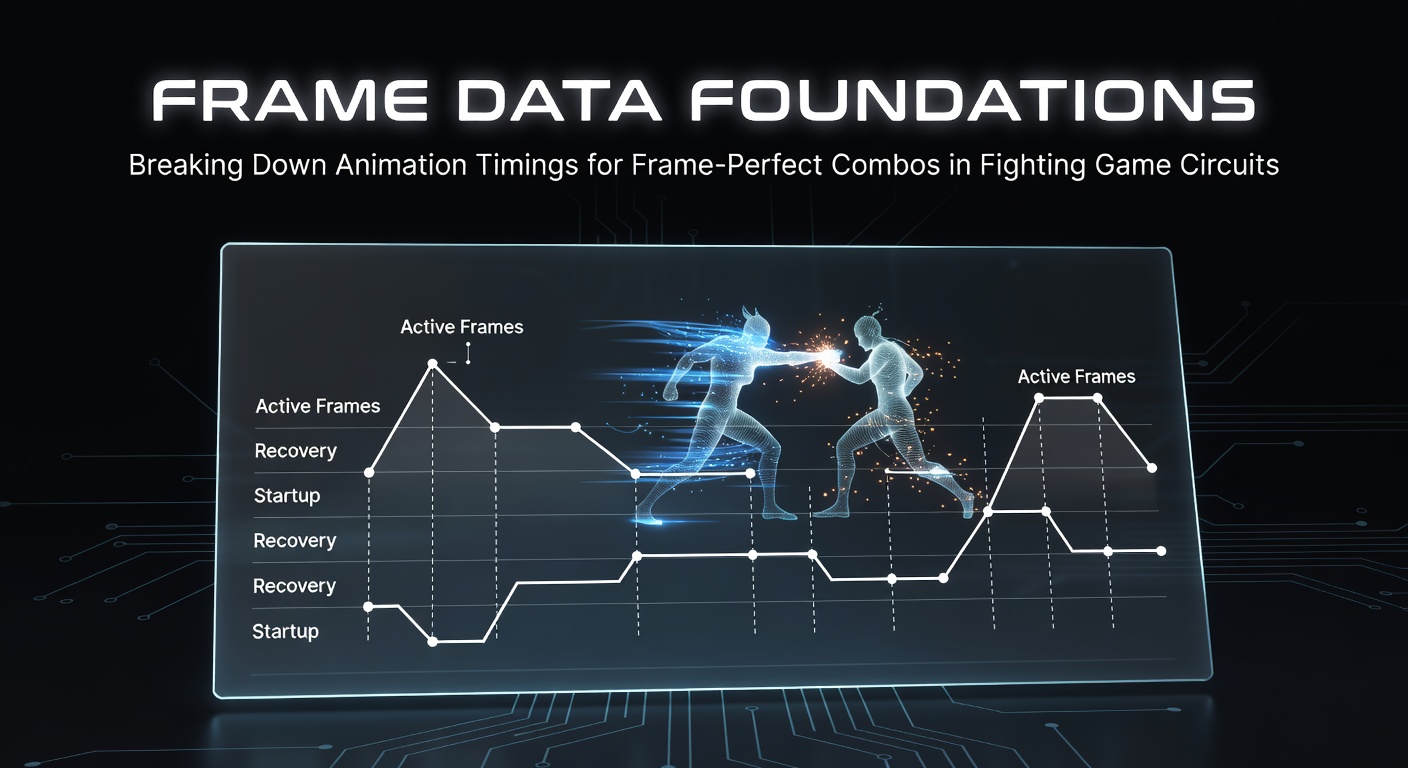
Frame data serves as the core technical language in fighting game circuits where every animation breaks down into discrete units measured at 60 frames per second and players rely on these timings to execute sequences that leave opponents with no defensive window. Researchers at competitive analysis labs have documented how startup frames determine the initial commitment period before an attack becomes active while active frames cover the hitbox duration and recovery frames dictate the vulnerable follow-through that skilled competitors must minimize through precise cancels and links.
Core Components of Frame Data in Competitive Play
Observers note that hit advantage and block advantage values shift the momentum equation because positive numbers grant the attacker extra time to act first whereas negative figures force a retreat or risk punishment. Data from major tournaments shows that characters wth low startup on key moves like jabs or lows often become staples in high-level pools since those properties allow for rapid pressure strings that chain into frame traps. Players who study these values discover that throw tech windows typically occupy 12 to 14 frames and any mistimed input results in a full punish that swings the round decisively.
Animation data further reveals that many special moves contain multiple active hitboxes spread across several frames and this distribution creates opportunities for late hits or early whiff punishes when the opponent attempts to interrupt. Studies from the University of Melbourne's digital interaction research group indicate that visual feedback alone proves insufficient for consistent execution because human reaction times average around 20 frames so competitors train instead on memorized frame windows that bypass conscious decision-making entirely.
Constructing Frame-Perfect Combos Through Timing Analysis
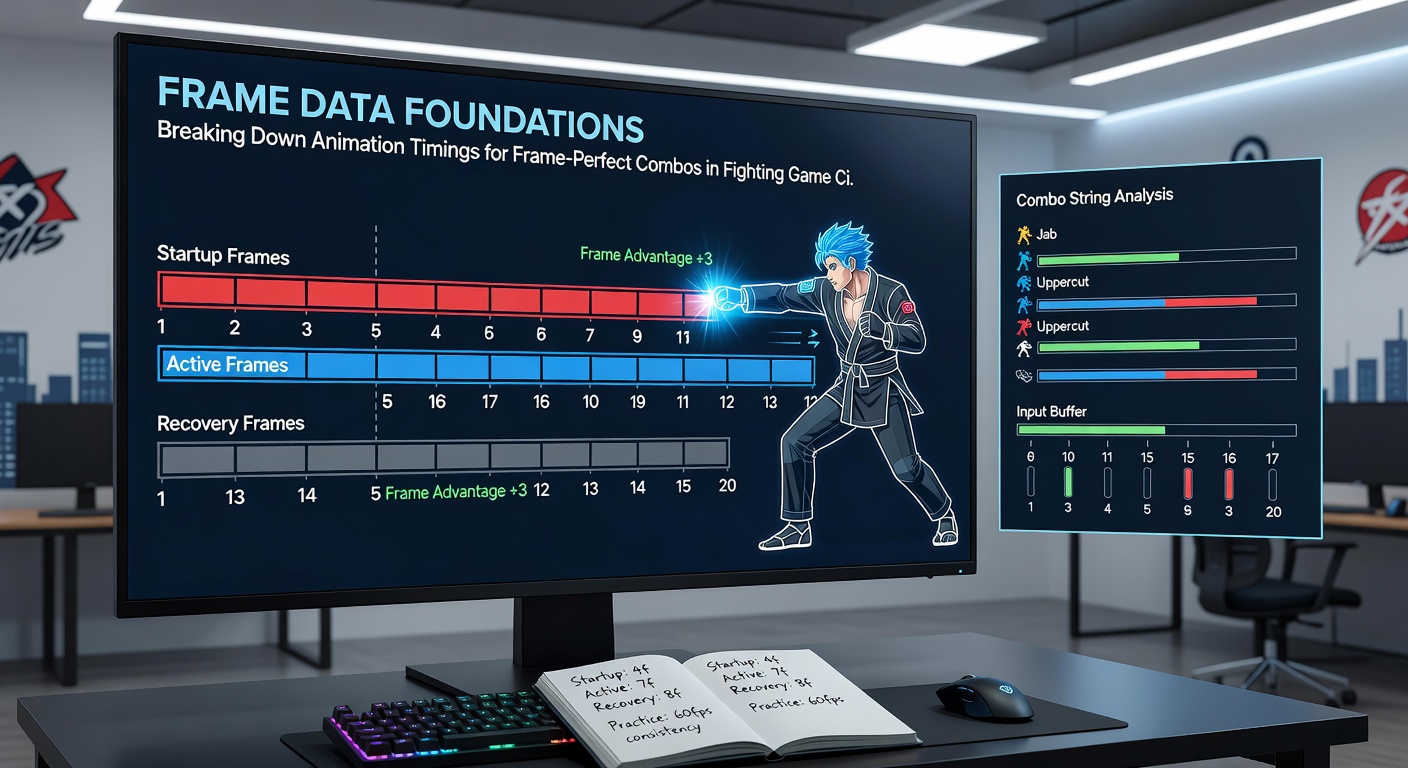
Combo construction begins with identifying moves that leave the defender in enough hitstun to permit the next attack to connect before recovery completes and this linkage process demands exact knowledge of each move's total duration. When one attack ends with 5 frames of advantage on hit the follow-up must begin within those frames to maintain the sequence otherwise the opponent regains the ability to block or counter. Circuit veterans often reference training mode recordings that display numerical overlays and these tools allow systematic testing of every possible string until the optimal route emerges.
Advanced sequences incorporate jump cancels or special cancels that shave recovery frames and reduce overall combo length while increasing damage output. Evidence from event data compiled by the North American Fighting Game Alliance shows that characters capable of extending combos through multiple cancels achieve higher average damage per opening and this statistical edge appears consistently across regional leaderboards. Frame-perfect execution requires inputs that align within a single frame window and any deviation breaks the chain resulting in dropped damage that can determine match outcomes at the highest levels.
Tools, Resources, and Evolving Techniques Through 2026
Modern analysis platforms provide searchable databases of frame data for current titles and these resources update automatically when balance patches alter move properties. As circuits prepare for the May 2026 season organizers have announced new verification protocols that require players to demonstrate understanding of updated timings before qualifying for major events. Software overlays now integrate with console capture cards to display real-time advantage counters during live matches and this development has accelerated how quickly new strategies propagate through the community.
Training regimens incorporate frame-specific drills where competitors repeat the same link hundreds of times until muscle memory locks the timing and success rates climb from initial 40 percent consistency to over 90 percent after dedicated sessions. Observers tracking professional matches have recorded instances where a single frame-perfect conversion turned a losing position into a comeback victory and these moments underscore why data literacy separates top contenders from the rest of the field. Regional differences in execution appear in how European and Asian circuits prioritize certain cancel routes while North American players emphasize safer frame trap setups that punish common defensive habits.
Conclusion
Mastery of frame data transforms fighting game performance from reactive play into predictive execution where every input carries calculated risk and reward based on exact animation timings. Competitors who internalize these foundations build adaptable strategies that respond to patch changes and opponent tendencies without relying on guesswork. As the May 2026 circuit approaches ongoing refinements in training technology and community documentation continue to raise the baseline level of technical proficiency across all skill brackets.