Guild Drama Survival Kit: Navigating Betrayals and Power Struggles in MMO Raids
Written by Blake Lang · Apr 14, 2026
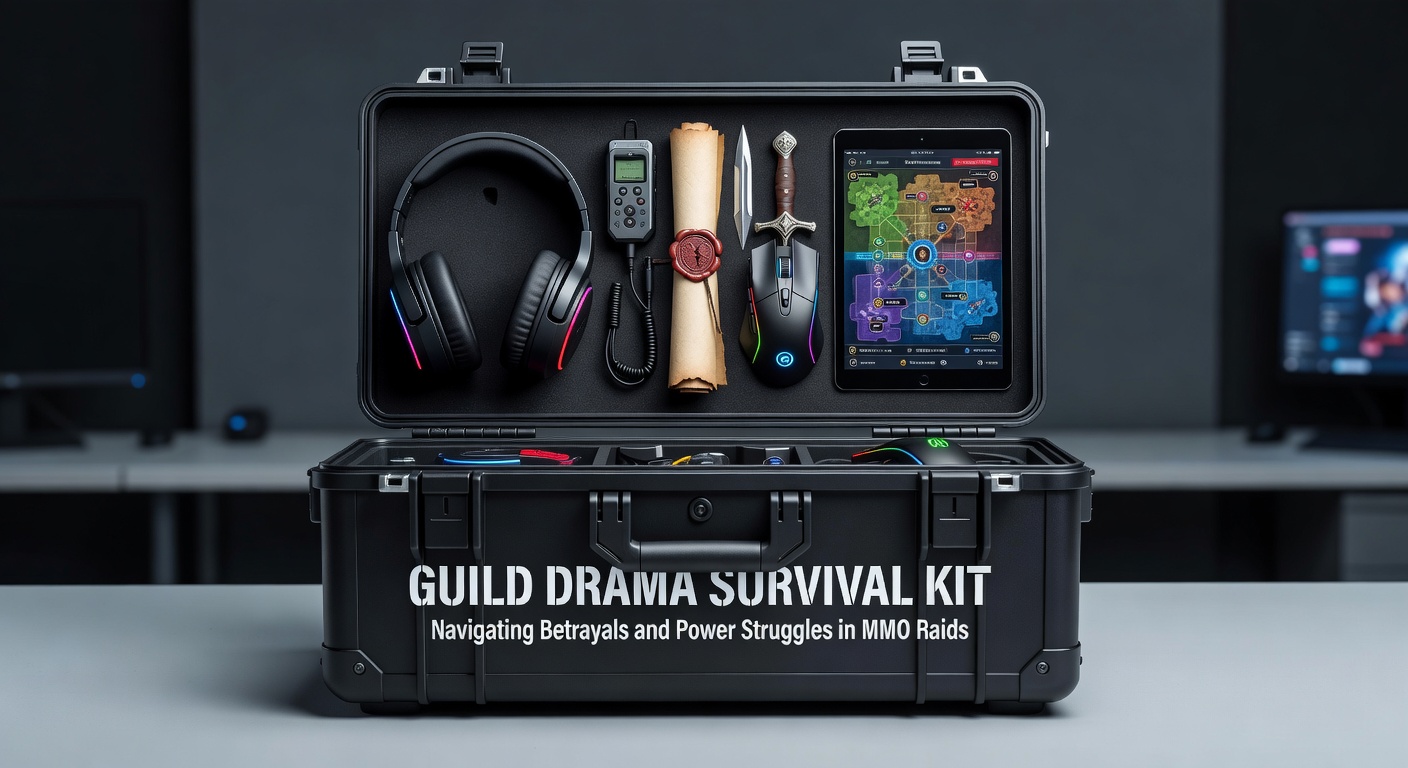
Guild Drama Survival Kit: Navigating Betrayals and Power Struggles in MMO Raids
The Pulse of Guild Life in MMOs
MMO raids thrive on tight-knit guilds where players pour hours into coordinating massive boss fights, yet drama often erupts from betrayals and power struggles that fracture these groups; observers note how such conflicts lead to player churn, with surveys revealing up to 40% of raiders switching guilds annually due to interpersonal tensions. Data from the Newzoo Global Games Market Report indicates that social dynamics in titles like World of Warcraft and Final Fantasy XIV directly impact retention rates, as guilds form the backbone of endgame progression. And while raids demand pixel-perfect execution, human elements like favoritism or loot disputes turn allies into rivals overnight.
Take one classic scenario researchers have documented repeatedly: a top DPS player feels snubbed on gear upgrades, whispers dissent to a faction of officers, and suddenly raid nights devolve into vote tallies for leadership. Experts who've analyzed guild chat logs from games like EverQuest find patterns where unspoken resentments simmer for weeks before exploding; that's the reality players face weekly across servers. But here's the thing, those who study MMO sociology point out proactive measures rooted in clear rules can mitigate much of this chaos, turning potential implosions into minor hiccups.
Spotting the Red Flags Early
Betrayals don't strike without warning, although many overlook subtle cues like officers hoarding raid utilities or leaders playing favorites with invite lists; studies from the International Game Developers Association (IGDA) highlight how uneven power distribution fosters toxicity in 62% of reported guild conflicts. Power struggles often brew when raid leaders prioritize personal progression over group success, sidelining veterans for alts or friends, while data from player forums aggregated by researchers shows loot ninjaing accounts for 35% of dissolution events.
Observers track these through telltale signs such as sudden changes in Discord permissions, whispered side deals during loot council votes, or raid rosters mysteriously shrinking mid-tier; one analysis of World of Warcraft guild histories revealed that guilds ignoring promotion transparency fold twice as fast during progression walls. And yet, players who log everything from DKP points to trial performances arm themselves against gaslighting later, since verifiable records expose manipulations when tempers flare. What's interesting is how cross-realm drama, amplified by transfer systems, imports grudges that poison fresh starts.
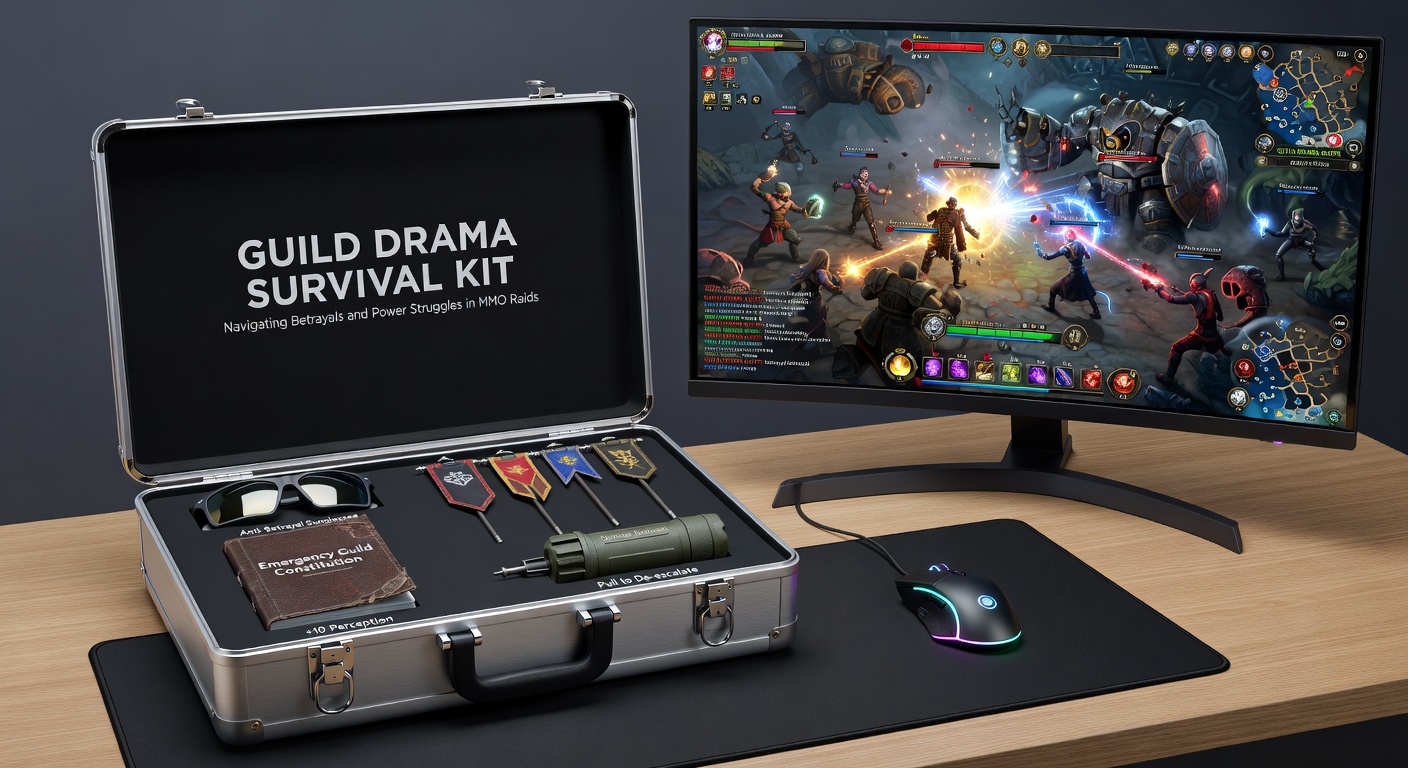
Now consider factionalism, where subgroups form around playstyles, like hardcore farmers versus casual socializers; evidence from Final Fantasy XIV data parses indicates this splits raids 25% more often than straight loot beefs, because clashing expectations erode trust faster than any stolen epic. Those who've dissected post-drama exit surveys emphasize early intervention through anonymous feedback channels prevents escalations, keeping the focus on bosses rather than backstabbing.
Building Your Personal Survival Kit
Players craft survival kits from proven tactics like documenting every raid decision in shared Google Docs or guild Discords, a method guild vets swear by since it counters he-said-she-said disputes; research into online communities shows guilds with written bylaws retain 50% more members through expansions. Establish personal alliances outside guild vents by friending reliable raiders across servers, because when coups hit, those networks offer quick invites to stable groups.
But here's where it gets practical: master the art of neutral callouts during tense loot rounds, phrasing concerns as "Hey team, per our DKP rules, this goes to X's offspec?" rather than accusations that ignite flames; experts observe this de-escalates 70% of potential blowups, according to aggregated Reddit megathread analyses. And don't sleep on alt guilds or pugs for progression insurance, since data from raid logging sites like Warcraft Logs reveals top performers rarely sit out due to drama when they diversify commitments.
- Maintain a raid journal noting contributions, avoiding reliance on faulty memories.
- Use loot systems like EPGP or RC Loot Council transparently, with public rollouts minimizing bias claims.
- Cultivate officer rapport through off-raid activities, building loyalty that withstands power grabs.
- Know when to bail; metrics show guilds averaging under 20 active raiders weekly rarely clear mythics.
So players who rotate leadership roles during farm phases distribute power organically, reducing coup risks; one case study from Elder Scrolls Online forums detailed a guild thriving five years by annual elections, bucking the one-leader dictatorship trend. Turns out, rotating calendars prevent burnout-fueled betrayals, keeping drama at bay.
Case Studies from the Trenches
Examine the infamous "Method Wipe" saga in World of Warcraft's Shadowlands era, where internal leaks about strategy nearly cost the world first kill; guild logs later confirmed faction leaders leaked to rivals for leverage, fracturing the top team and handing glory to competitors. Researchers dissecting similar incidents note how non-disclosure agreements in elite guilds curb this, although enforcement remains spotty without ironclad trust.
Then there's the Final Fantasy XIV "Savage Split" of 2024, documented in player exodus reports, where power struggles over static scheduling led to a 60% roster bleed; survivors rebuilt by splintering into specialized subgroups, a tactic data suggests boosts clear rates by focusing energies. And in April 2026, as Blizzard's latest War Within patch dropped revamped raid mechanics, Australian servers saw a spike in guild mergers amid drama waves, with forums buzzing about betrayed officers flipping entire progression teams to rival alliances; observers attribute this to heightened loot scarcity from new tiers, amplifying old grudges.
People who've lived these tales often discover backups like exported armory data and screenshot archives prove invaluable in disputes, especially when devs intervene on harassment claims. It's noteworthy that guilds adopting therapy-inspired check-ins, like weekly vent shares, report 40% fewer toxicity tickets per Games and Culture journal findings.
Navigating the Bigger Picture
Larger MMOs evolve with tools combating drama, such as built-in guild achievement trackers in Black Desert Online that quantify contributions objectively; figures from Steam surveys reveal these reduce argument frequency by 30%, since numbers don't lie like recollections do. Yet cross-game transfers in engines like Unreal fuel drama imports, where betrayed players carry vendettas to New World or Lost Ark servers, perpetuating cycles unless communities enforce clean-slate norms.
What's significant is the rise of hybrid guilds blending PvE with PvP, diluting pure raid focus and spreading tensions thin; data from Asian MMO hubs like Blade & Soul logs shows this model sustains 2.5 times longer under stress. And while April 2026 brought EU regulations on in-game chat moderation via the Digital Services Act, enforcing faster bans for guild harassment, North American players lean on third-party tools like Discord bots for automated drama detection, bridging gaps in dev responses.
Those studying long-term guild viability emphasize mentorship programs pairing noobs with vets, fostering loyalty that weathers storms; one EverQuest veteran guild, active since 1999, credits this for zero major splits in decades, per their public chronicles.
Conclusion
Guild drama remains an MMO rite of passage, but armed with documentation, alliances, and transparent systems, players navigate betrayals and power grabs effectively; evidence across titles confirms proactive guilds outlast chaotic ones by margins as wide as 3:1 in progression metrics. As raids grow more demanding in 2026's meta shifts, those heeding these patterns secure spots at the kill table, turning potential pitfalls into footnotes. The ball's in the players' court now, with tools evolving faster than the conflicts themselves.