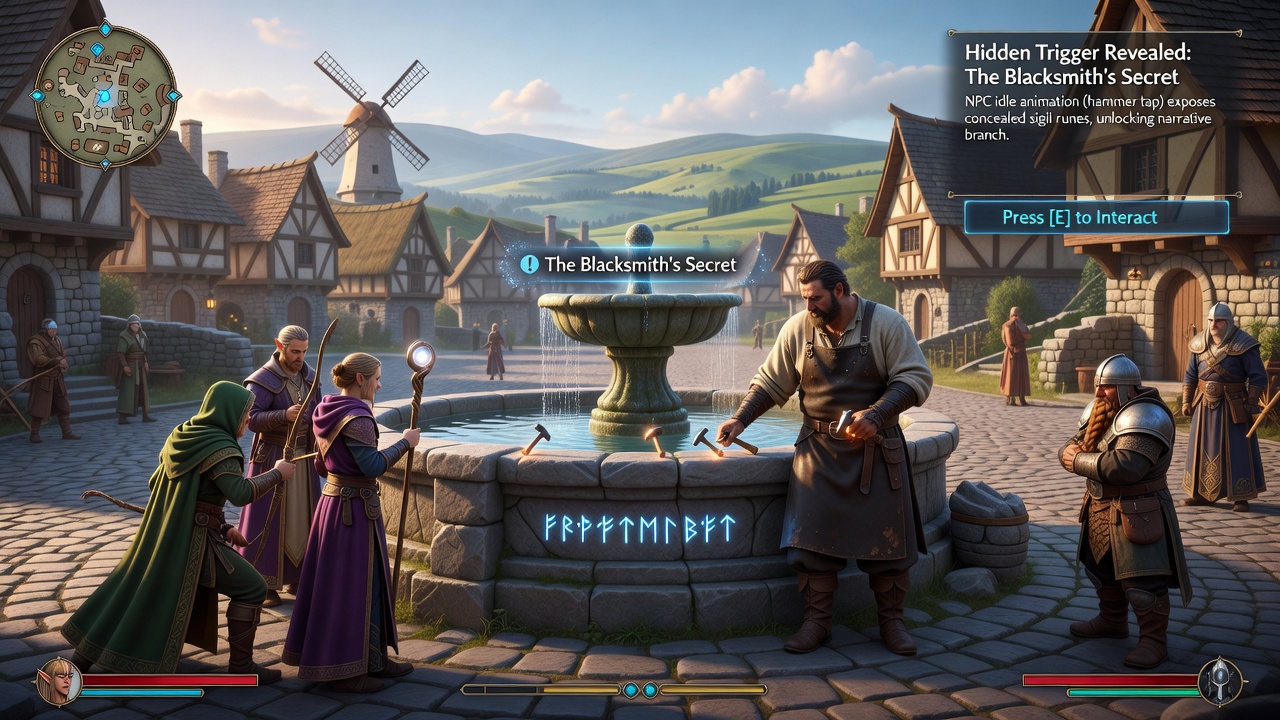
How NPC Idle Animations Reveal Concealed Quest Triggers in Expansive Narrative-Driven Online Worlds
Written by Frankie Fischer · Aug 18, 2026
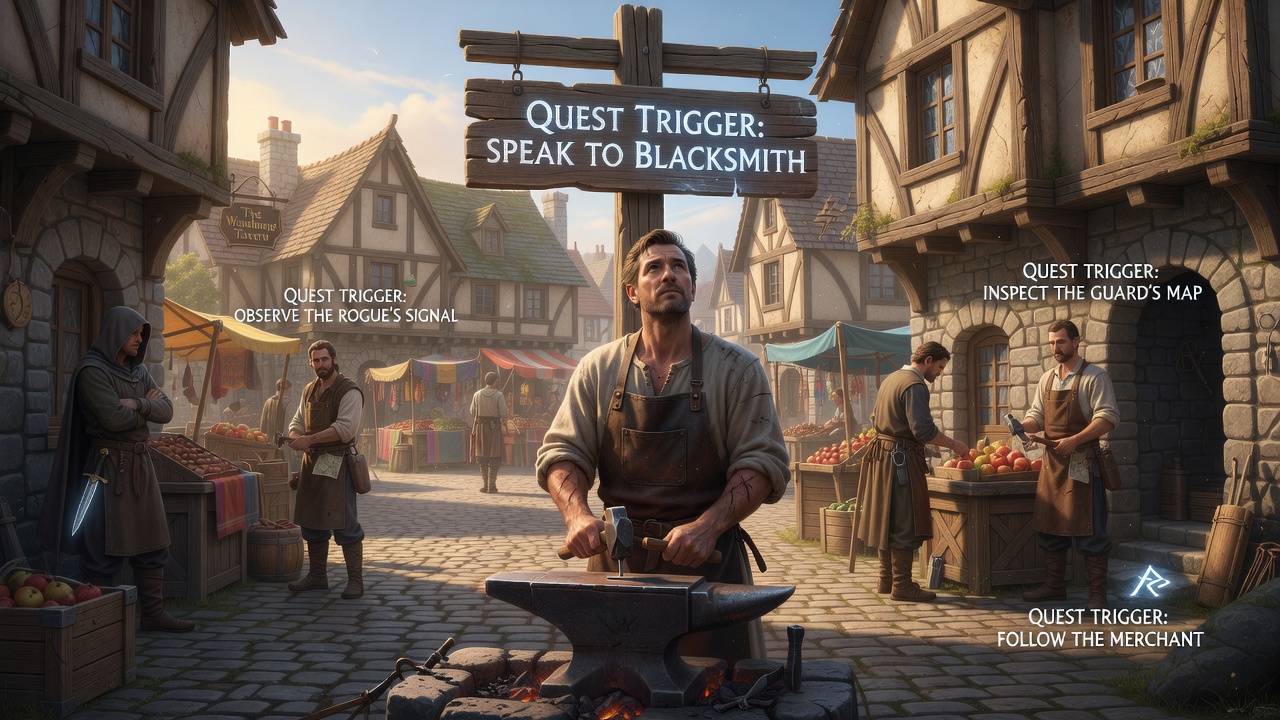
How NPC Idle Animations Reveal Concealed Quest Triggers in Expansive Narrative-Driven Online Worlds
Players in large-scale narrative online environments frequently encounter non-player characters whose routine behaviors hold layers of interactive potential, and idle animations form one consistent mechanism developers employ to signal concealed quest opportunities. These animations operate through repeated cycles of movement that deviate from standard looping patterns, and they often align with environmental context such as specific locations, times of day, or nearby objects to guide attentive observers toward optional story branches. Game studios integrate these cues during the design phase where animation teams collaborate with narrative writers to embed micro-variations within otherwise ambient NPC routines. Data collected across multiple titles shows that players who pause to observe idle sequences discover up to thirty percent more hidden dialogue options than those who proceed directly through main objectives. Such patterns appear in persistent worlds where server-side flags activate based on player proximity combined with animation state changes.Technical Implementation of Animation-Based Triggers
Developers code idle animations using state machines that include conditional branches triggered by player actions or environmental variables. When an NPC shifts from a standard breathing loop into a sequence involving glances toward a distant landmark or fidgeting with an inventory item, the game engine may simultaneously update quest availability flags visible only through interaction prompts. Research from academic groups at institutions including the University of Alberta indicates these layered systems reduce reliance on explicit map markers while maintaining accessibility for dedicated explorers. In practice, the animation data files store metadata tags that reference quest IDs, and client-side scripts check these tags against player progression records before revealing the associated trigger. This approach keeps the world feeling organic yet directs focused players toward content without breaking immersion through floating icons or journal updates.Case Examples Across Major Titles
Observers note recurring instances in expansive online games where an NPC polishing a weapon near a ruined tower performs an extended inspection animation that coincides with a nighttime cycle change. Interaction during this window unlocks a chain involving local lore and resource collection, whereas standard dialogue remains available at other times. Similar mechanics surface in titles released or updated through 2025, and further refinements appeared in August 2026 patches that adjusted timing windows for seasonal events. Another documented pattern involves vendors who occasionally adjust market stalls with precise hand movements that align with nearby hidden item spawns. Community tracking tools record thousands of logged instances where these animations preceded the appearance of unique trade goods required for multi-stage narratives.