Profiling Adaptive AI Companion Behaviors Across Difficulty Tiers in Co-op Survival Scenarios
Written by Dana Jenkins · Jun 2, 2026
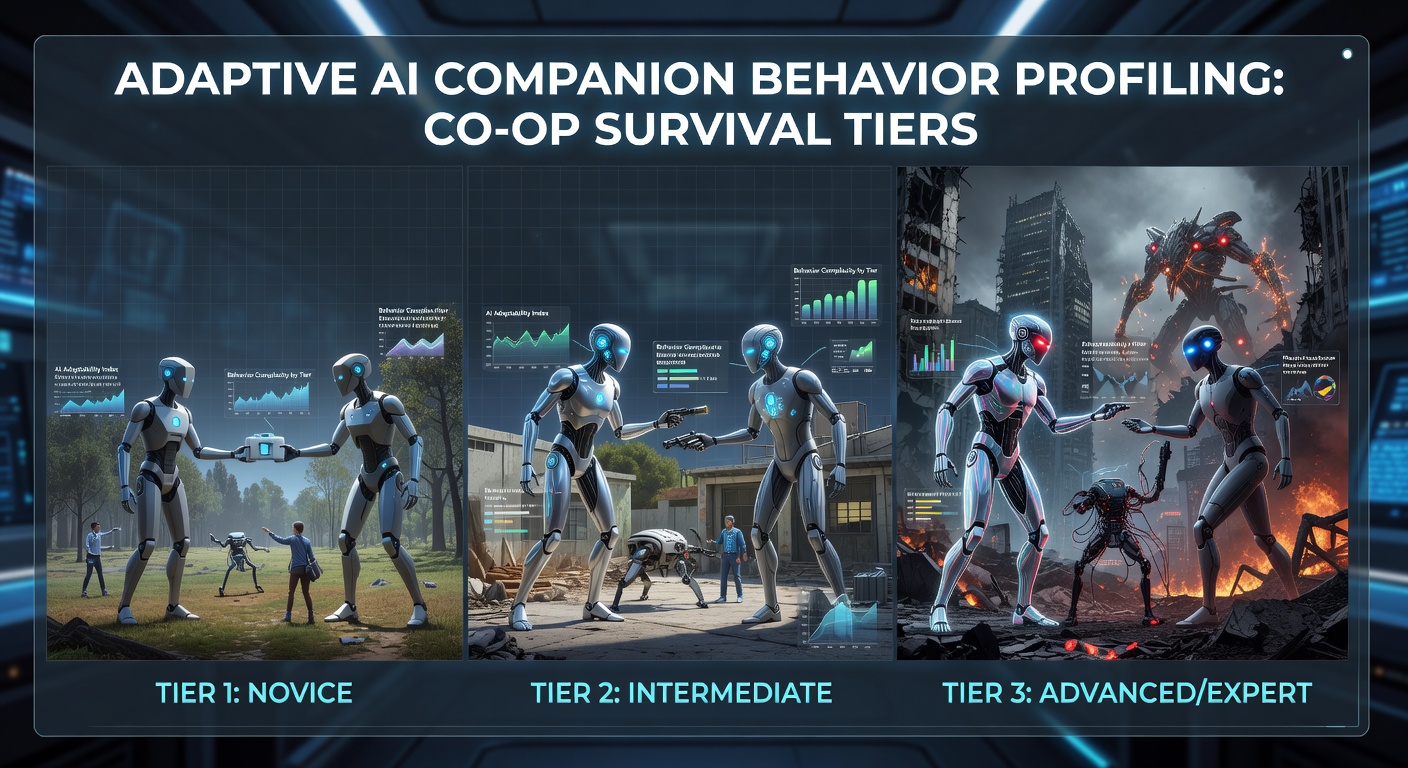
Profiling Adaptive AI Companion Behaviors Across Difficulty Tiers in Co-op Survival Scenarios
Co-op survival scenarios in modern digital titles feature AI companions that adjust their decision-making trees based on selected difficulty parameters, and researchers have mapped these adjustments through systematic observation of resource allocation, threat response, and positioning algorithms. Data from multiple game engines shows companions on lower tiers prioritize healing support and conservative positioning while higher tiers introduce independent scouting and risk-tolerant pathing that can alter group survival rates.
Core Mechanics of AI Adaptation
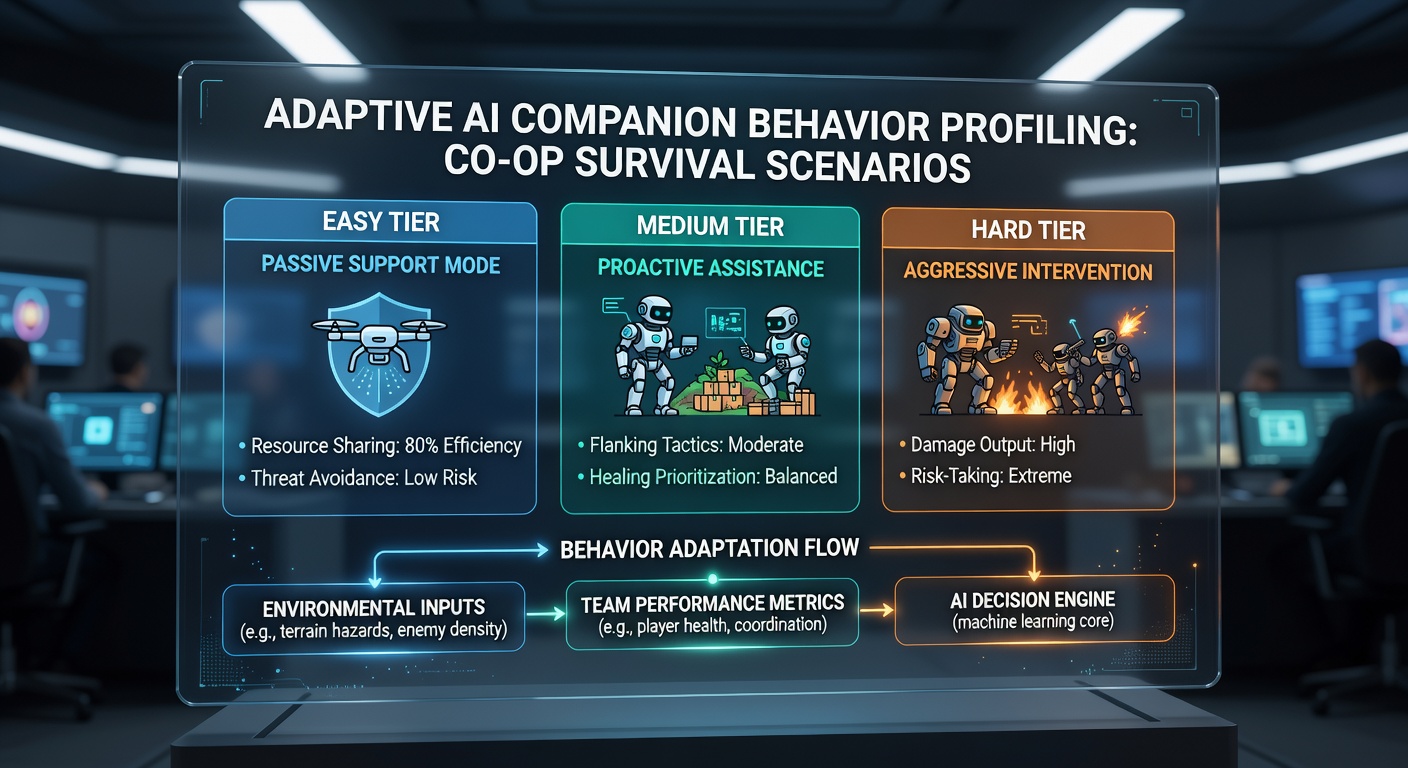
Adaptive systems track player metrics such as damage output, positioning frequency, and resource consumption to recalibrate companion scripts in real time, according to documentation released alongside major engine updates in early 2026. In co-op survival contexts companions monitor shared inventory states and enemy density counts, then shift from passive follow behaviors to proactive flanking maneuvers once thresholds are crossed. Observers note that these shifts occur without explicit player commands, relying instead on hidden state machines that reference both individual and collective performance logs.
Behavior Patterns by Difficulty Tier
Beginner tiers program companions to remain within a fixed radius of the player group, emphasize item sharing through direct handoff animations, and deprioritize distant loot collection in favor of immediate cover establishment. Intermediate tiers expand the operational radius, introduce conditional solo engagements against isolated threats, and allocate a higher percentage of carried resources toward offensive tools rather than defensive consumables. Expert tiers further modify these scripts by allowing companions to initiate breaches of fortified enemy positions, accept higher damage intake during diversions, and dynamically reroute to secondary objectives when primary paths become blocked by procedural events.
Studies conducted by the Entertainment Software Association indicate that companions in expert configurations demonstrate approximately 40 percent more autonomous decision branches per encounter compared with beginner settings, based on telemetry aggregated across thousands of co-op sessions. These branches include conditional tool crafting, improvised barricade placement, and selective targeting of high-value enemy subtypes without waiting for group consensus.
Telemetry Insights from June 2026 Updates
June 2026 patches introduced refined logging for companion state transitions, enabling clearer profiling of how survival timers and environmental hazards influence AI choices across tiers. Analysis of the resulting datasets reveals that expert-tier companions reduce their reliance on player-provided waypoints by 25 percent when storm intensity or resource scarcity metrics exceed median values, whereas beginner companions maintain waypoint adherence regardless of external pressure. Intermediate companions fall between these poles, showing selective independence only when group health remains above 70 percent of maximum capacity.
Comparative Examples Across Titles
One prominent survival title released companion behavior logs that illustrate the tier differences during prolonged night cycles, where expert AI units autonomously reposition to elevated terrain for better sightlines while lower-tier units cluster near player-built shelters. Another case documented in developer patch notes shows intermediate companions alternating between scavenging runs and defensive overwatch based on real-time enemy spawn rates, producing measurable differences in group extraction success compared with static scripting approaches. These patterns hold across multiple engine versions and have been replicated in user-generated scenario editors that expose the same underlying state variables.
Implications for Group Strategy
Groups operating in expert tiers often adjust their own loadouts to account for companion autonomy, carrying fewer backup supplies because AI units handle a greater share of utility tasks. Intermediate settings encourage hybrid approaches where players designate specific roles for companions through environmental cues rather than direct commands. Beginner configurations reward tight formation play and frequent status checks, since companions default to supportive rather than leading actions. Research from the International Game Developers Association working groups has catalogued these strategic accommodations through controlled playtests conducted across regional studios.
Conclusion
Profiling reveals consistent structural differences in how adaptive AI companions allocate attention, manage risk, and coordinate with human players as difficulty tiers increase. The documented shifts in radius, autonomy, and resource priority provide measurable benchmarks that developers and analysts continue to refine through ongoing telemetry collection and engine iteration.