Profiling Community-Driven Translation Efforts for Indie Game Localizations in Non-English Markets
Written by Jordan Keller · Jul 7, 2026
Profiling Community-Driven Translation Efforts for Indie Game Localizations in Non-English Markets
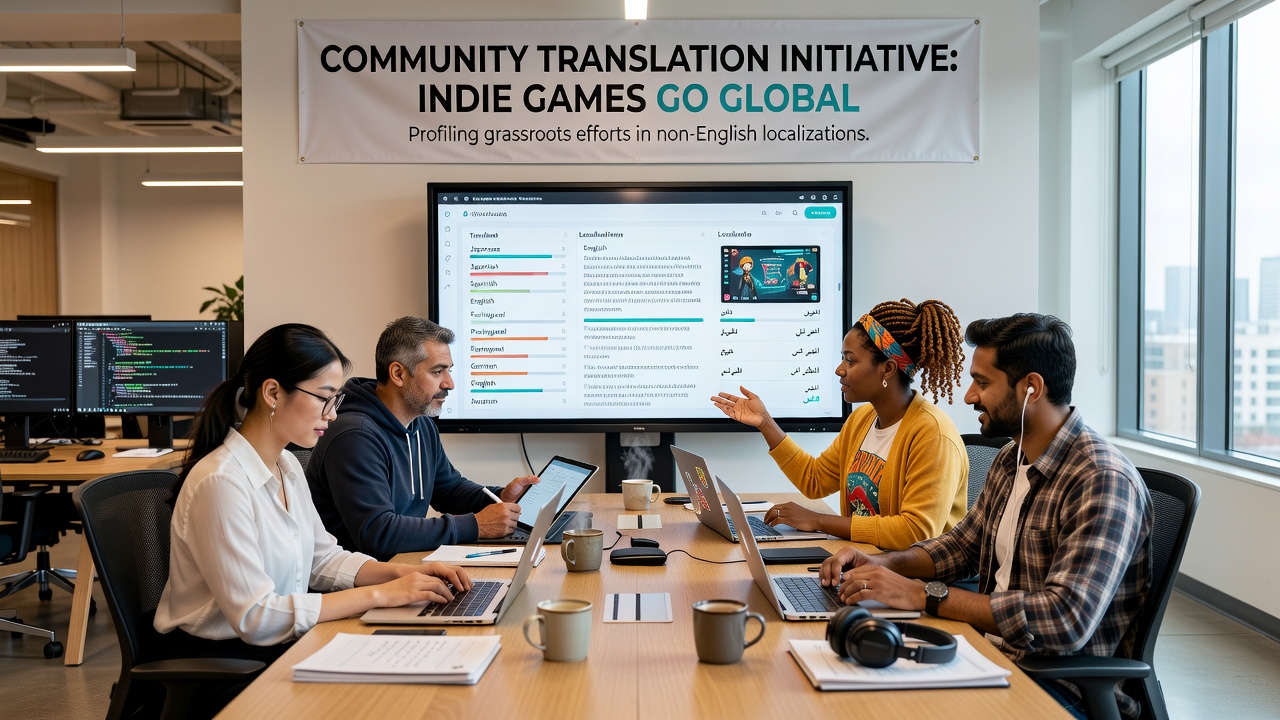
Community-driven translation efforts have expanded indie game access across non-English markets where official localization support remains limited or absent altogether, and these volunteer networks operate through coordinated platforms that connect linguists, programmers, and cultural consultants from diverse regions. Data from industry tracking services shows participation in such projects increased notably between 2023 and 2025, with contributors focusing on languages including Spanish variants spoken across Latin America, Simplified and Traditional Chinese, Korean, Arabic, and various European languages beyond the major markets.
Origins and Growth Patterns
Indie developers often release titles in English first because production budgets constrain full multilingual support, which leaves gaps that fan groups fill through patch releases hosted on forums and dedicated repositories. Observers note that these efforts gained momentum after several high-profile successes in the mid-2010s when communities translated narrative-heavy titles into Japanese and Chinese, demonstrating measurable sales lifts in those territories once localized versions circulated. Researchers at institutions such as the University of Melbourne documented how volunteer teams reduced time-to-market for patches compared to traditional publisher timelines, often completing core content within months rather than years.
Tools and Collaboration Structures
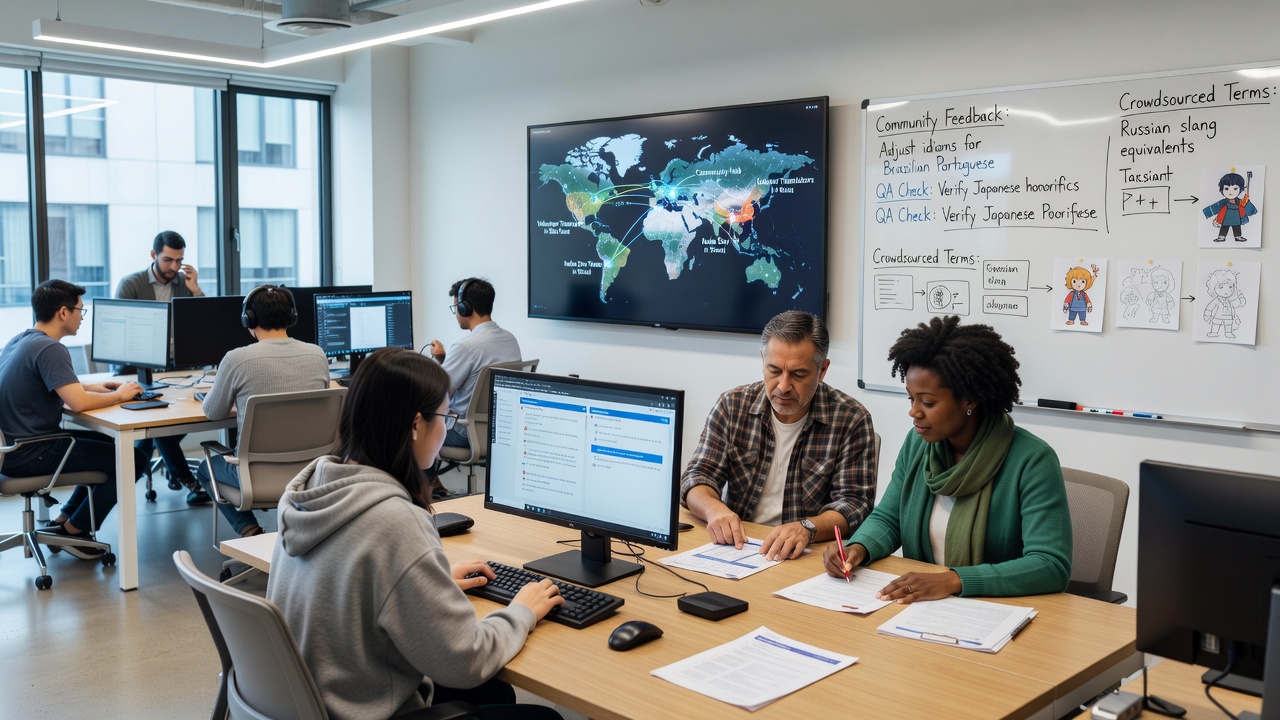
Participants rely on open-source software such as Weblate, Crowdin, and custom scripts built around Git repositories to manage strings, track revisions, and handle context notes that preserve original intent. Teams divide tasks by expertise so that native speakers review cultural references while programmers ensure UI elements resize correctly for languages with different character sets or right-to-left scripts. A report issued by the European Games Developer Federation in 2025 highlighted that coordinated groups frequently maintain glossaries updated across multiple projects, which speeds subsequent work and reduces repeated errors in terminology.
Case Examples from Key Regions
In Spanish-speaking markets, collectives based in Argentina and Mexico have localized dozens of pixel-art adventures and roguelikes since 2022, releasing patches that incorporate regional slang variations to suit different countries. Chinese communities operating through secure domestic platforms have produced extensive translations for narrative-driven exploration games, sometimes adding explanatory notes for cultural concepts unfamiliar to players. Korean volunteer efforts frequently target atmospheric indie titles and integrate voice-acting adjustments where original audio files permit substitution, while Arabic groups coordinate across multiple countries to standardize Modern Standard Arabic alongside dialect options for broader reach. One documented project completed a full localization of a popular farming simulator into Brazilian Portuguese within four months through a distributed team that included professional translators working alongside hobbyists.
Technical and Cultural Challenges
Font support for complex scripts creates ongoing technical hurdles because many indie engines require custom implementations to display characters correctly without clipping or overflow. Right-to-left languages demand interface mirroring that can break layout assumptions baked into original designs, and teams must test extensively across devices common in target markets. Cultural adaptation adds another layer, as jokes, idioms, and historical references need equivalents that retain humor or emotional weight without introducing anachronisms. Data collected by regional industry associations indicates that projects addressing these issues achieve higher completion rates when they incorporate feedback loops from early playtesters in the destination language communities.
Distribution and Legal Considerations
Patches circulate primarily through dedicated Discord servers, GitHub repositories, and regional gaming forums rather than official storefronts, which keeps distribution decentralized yet sometimes exposes users to version mismatches after game updates. Developers vary in their responses, with some explicitly permitting community patches through posted guidelines while others remain silent, creating uncertainty around compatibility and support. Academic analyses published by Canadian research networks in early 2026 examined how these unofficial releases influence player retention metrics and noted correlations between patch availability and sustained engagement in tracked titles.
Measured Outcomes in Non-English Markets
Sales analytics shared by platform holders reveal that regions receiving community translations often see secondary spikes in purchases months after initial English launches, particularly when patches reach stable versions. Accessibility improves for players who prefer their primary language or require culturally attuned phrasing to follow complex stories. Industry reports from the Korea Game Industry Association track similar patterns, showing that localized indie releases compete more effectively against domestic productions once language barriers drop.
Developments Expected Around July 2026
Conferences scheduled for July 2026 in multiple time zones plan sessions on open localization frameworks and cross-regional collaboration standards, where organizers anticipate presentations of updated toolkits designed to streamline font handling and script testing. These gatherings draw participants from both volunteer networks and smaller studios seeking practical guidance on integrating community contributions without compromising original vision.
Conclusion
Community translation initiatives continue to shape how indie games reach audiences beyond English-dominant markets by filling gaps left by commercial priorities and budget realities. The combination of volunteer expertise, shared digital tools, and region-specific adaptations produces measurable expansions in player bases while surfacing persistent questions around sustainability, quality control, and developer-community relations that future projects will need to navigate.