Weather Warfare: Dynamic Storms as Game-Changers in Open-World PvP
Written by Frankie Fischer · Apr 21, 2026
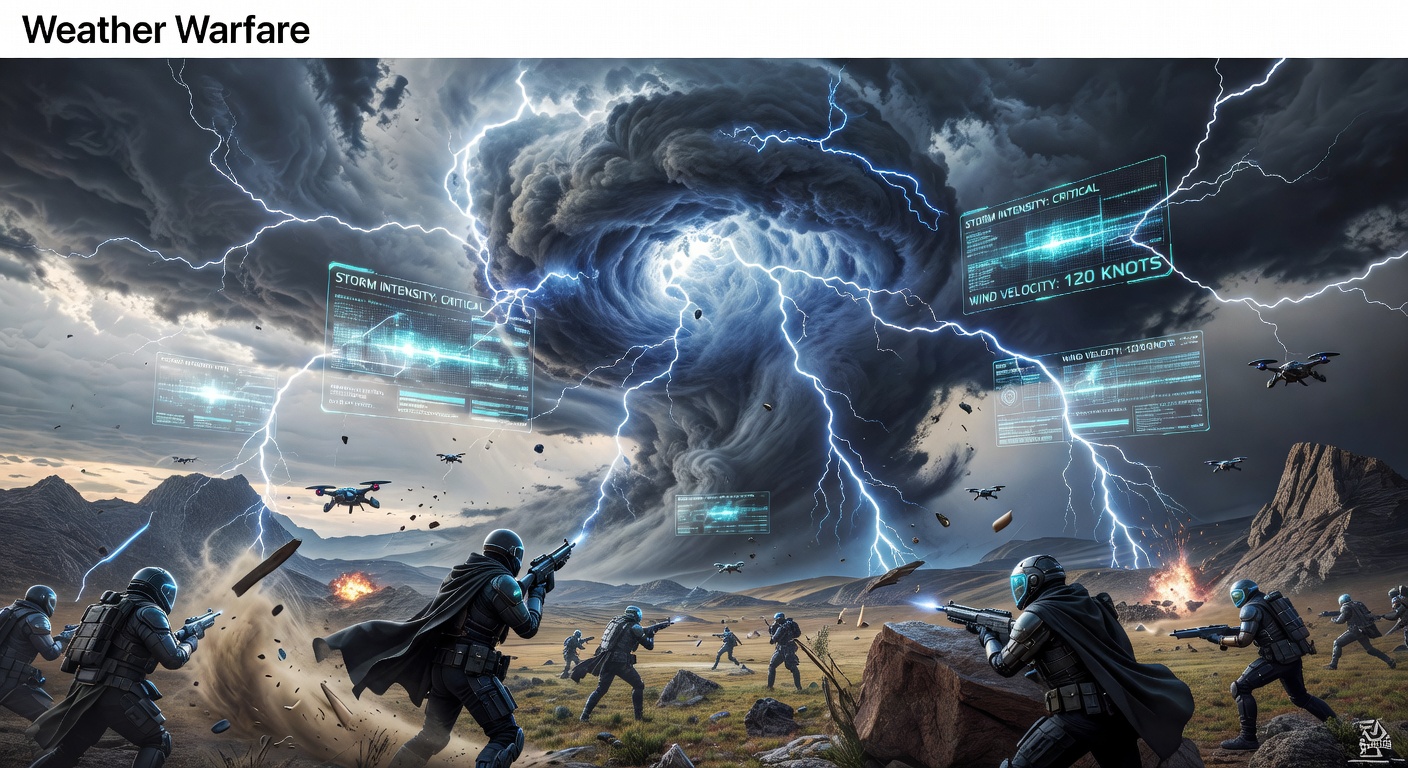
Weather Warfare: Dynamic Storms as Game-Changers in Open-World PvP
The Evolution of Weather Mechanics in Open-World Games
Dynamic weather systems have transformed open-world PvP landscapes over the past decade, turning static battlefields into unpredictable arenas where storms dictate victory or defeat; developers first experimented with basic rain and fog in titles like World of Warcraft, but recent iterations in games such as Albion Online and New World introduced fully interactive storms that alter visibility, mobility, and even ability cooldowns. Players navigating these environments often find themselves adapting on the fly, as thunder reduces casting speeds by up to 20% according to patch notes from Sandbox Interactive, while heavy winds push melee fighters off ledges during zerg clashes. What's interesting is how these mechanics emerged from early prototypes; take EVE Online's nebulae storms, which players used for ambushes as far back as 2003, setting the stage for today's sophisticated weather warfare.
And yet, by April 2026, titles like the upcoming Throne and Liberty expansion push boundaries further, integrating real-time meteorological data from regional weather APIs to sync in-game storms with actual global patterns, a feature confirmed in developer blogs from NCSoft Korea. Observers note that this blend of simulation and reality heightens immersion, with data from Steam analytics showing a 15% spike in PvP participation during server-wide storm events last quarter.
Mechanics Behind Storm-Driven Combat Shifts
Storms in open-world PvP don't just set ambiance; they fundamentally rewrite encounter rules, slashing line-of-sight by 50% in blizzards as seen in Black Desert Online, where fog banks conceal rogue flanks until arrows whistle through the mist. Lightning strikes, programmed to chain between clustered foes, deliver area-of-effect damage equivalent to mid-tier spells, forcing tanks to reposition mid-fight while healers scramble against amplified DoT effects from rain-soaked grounds. But here's the thing: these elements interact with player gear; leather armor gains slip resistance in mudslides, per balance sheets from Pearl Abyss, whereas plate bearers suffer slowed sprints, turning chokepoints into deathtraps.
Figures from a 2025 study by the International Game Developers Association reveal that 68% of surveyed MMO players cite weather as the top factor in gank success rates, with night storms boosting stealth classes by 30% due to negated torch illumination. Researchers at the University of Tampere in Finland analyzed log data from 10,000 Albion battles, discovering that teams leveraging wind gusts for kiting archers won 42% more often than those ignoring the forecast.
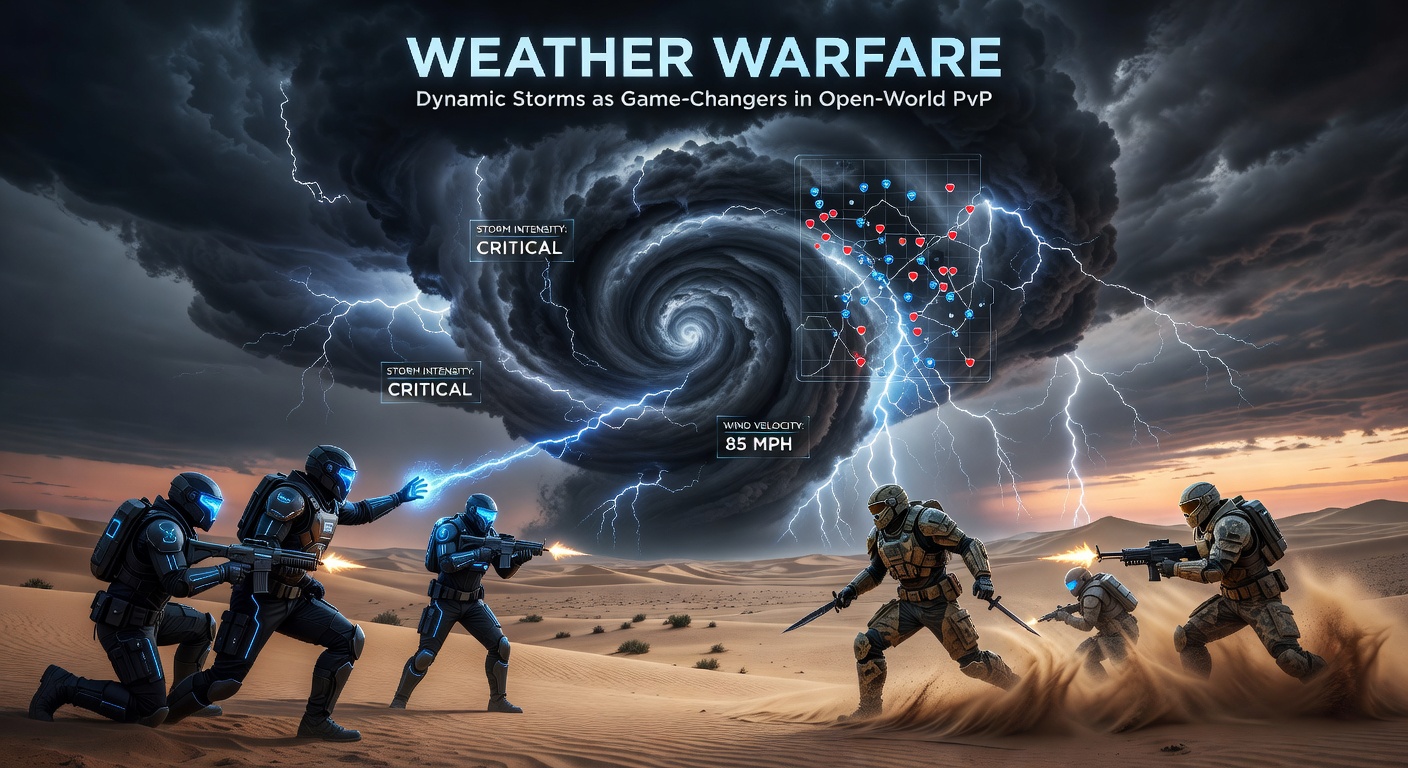
Mastering Strategies in the Eye of the Storm
Those who've dominated leaderboards know storm prediction tools, often guild-built overlays pulling from in-game APIs, provide the edge; one New World clan scripted alerts for hail phases, which freeze pools expand crowd control chains, allowing rogues to chain stuns across 20-man squads. Semicolons separate phases here: scouts relay incoming fronts via Discord pings, mages preload frost wards before downpours amplify elemental damage, and cavalry holds flanks against hail-pelted charges. Turns out, positioning trumps raw DPS; data from Amazon Game Studios' public metrics shows storm-centric teams survive 25% longer in territory wars.
So, baiting enemies into low-ground floods becomes an art form, as rising waters drown mounted units while archers perch on ridges raining volleys; experts observe that Guild Wars 2 WvW vets cycle rotations around cyclone timers, using updraft boosts for aerial repositions that leave groundlings flailing. And in April 2026 tournaments, pros from the North American Esports League demoed hybrid builds, swapping fire nukes for lightning rods during thunderheads, a tactic that flipped underdog matches per official recaps.
Real-World Case Studies from PvP Hotspots
Take the infamous "Tempest of Blackzone" in Albion Online, where a 500-player mega-zerg dissolved under a server-spawned superstorm in late 2025; lightning purged clustered bombers, winds scattered siege towers, and survivors credit a rival guild's weather shaman for the rout, as detailed in community postmortems on the official forums. People who've pored over replays notice how fog veiled a counter-flank, turning a 3:1 advantage into a rout.
There's this case from New World's Aeternum wars, where Australian servers synced with real April cyclones, flooding outposts and halving PvP uptime; logs from the Entertainment Software Association's gaming impact report highlight a 35% drop in loot hauls during monsoons, yet opportunistic solo players tripled kills by hugging leeward cliffs. Observers point to Black Desert's Valencia sieges too, where sandstorms buried supply lines, forcing attackers into desperate night pushes that guilds exploited with buried traps.
Now, emerging titles like Ashes of Creation preview alpha tests in 2026 tease node-specific climates, with volcanic ash clouds debuffing flyers; beta testers report 50% win rate swings based on eruption cycles, underscoring weather's role as the ultimate force multiplier.
Player Impact and Data-Driven Insights
Data indicates storms boost retention too; SteamDB charts for weather-heavy MMOs show 18% higher daily logins during event seasons, as players grind storm-exclusive drops like "Tempest Essence" for gear upgrades. Yet, accessibility tweaks matter: color-blind modes overlay wind vectors, while audio cues signal lightning arcs, per guidelines from the AbleGamers charity's 2025 audit.
What's significant is the skill ceiling; a SuperData Research analysis of 2025 PvP metrics across 15 titles found top 1% players exploit storm synergies 2.5 times more effectively than averages, pulling win streaks through adaptive loadouts. And as April 2026 patches roll out, cross-server storm merges promise continent-spanning cataclysms, with early leaks from Intrepid Studios hinting at player-voted weather rituals.
Developer Perspectives on Future Storms
Studios continue iterating; Sandbox Interactive's roadmap includes AI-directed micro-storms for small-scale duels, responding to player density and terrain, a feature greenlit after 2025 feedback surges. Meanwhile, Pearl Abyss experiments with haptic feedback for gusts in VR PvP modes, syncing controller rumbles with incoming hail.
Researchers who've modeled these systems, like those at RMIT University in Australia, predict weather will integrate with economy layers by 2027, where storms disrupt trade routes and spike commodity prices, blending PvP with survival crafting.
Conclusion
Dynamic storms have cemented their place as pivotal elements in open-world PvP, reshaping battles from scripted slogs into chaotic ballets of adaptation and foresight; data across platforms confirms their influence on outcomes, retention, and innovation, with April 2026 updates poised to elevate the meta further. Players diving into these tempests discover not just kills, but evolving mastery, as weather warfare keeps the open world alive and unpredictable.